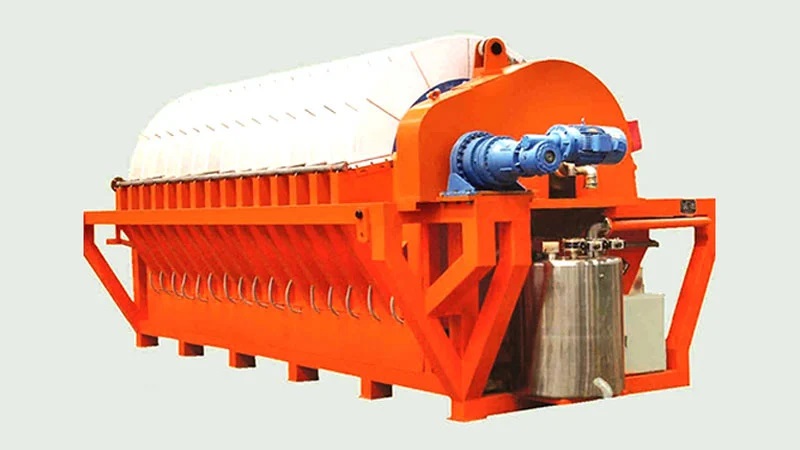
CF Vacuum Ceramic Disc Filter Technical Specifications
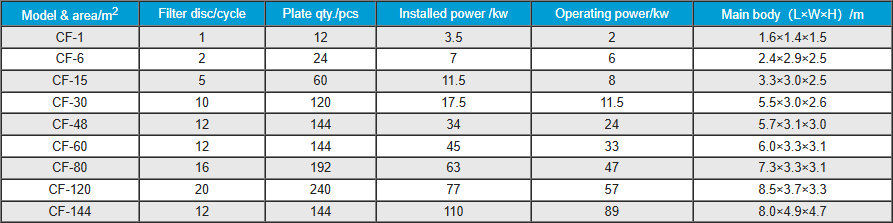
Model & Filtration Area (m²) | Filter Discs (pcs/set) | Ceramic Plates (pcs) | Installed Power (kW) | Operating Power (kW) | Main Body Dimensions, L × W × H (m) |
CF-1 | 1 | 12 | 3.5 | 2 | 1.6 × 1.4 × 1.5 |
CF-6 | 2 | 24 | 7 | 6 | 2.4 × 2.9 × 2.5 |
CF-15 | 5 | 60 | 11.5 | 8 | 3.3 × 3.0 × 2.5 |
CF-30 | 10 | 120 | 17.5 | 11.5 | 5.5 × 3.0 × 2.6 |
CF-48 | 12 | 144 | 34 | 24 | 5.7 × 3.1 × 3.0 |
CF-60 | 12 | 144 | 45 | 33 | 6.0 × 3.3 × 3.1 |
CF-80 | 16 | 192 | 63 | 47 | 7.3 × 3.3 × 3.1 |
CF-120 | 20 | 240 | 77 | 57 | 8.5 × 3.7 × 3.3 |
CF-144 | 12 | 144 | 110 | 89 | 8.0 × 4.9 × 4.7 |
The CF series is engineered according to each project's filtration requirements. The configurations listed above are reference models rather than fixed size limits. Larger filtration areas and non-standard machine configurations can be customized according to slurry characteristics, required processing capacity, target cake moisture, operating conditions and site layout.
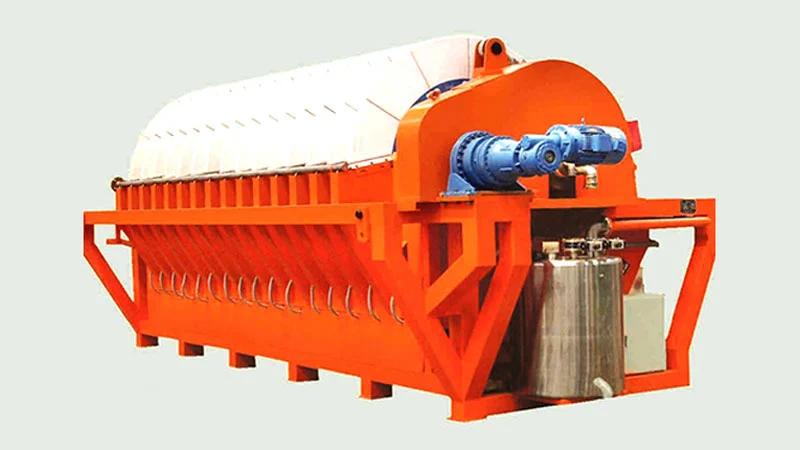
It is widely used in concentrate and tailings dewatering of mining, ferrous metals, non-ferrous metals, rare metals, non-metallic and environmental protection sewage sludge dewatering and waste acid treatment, etc.
Features of CF Ceramic Disc Vacuum Filter
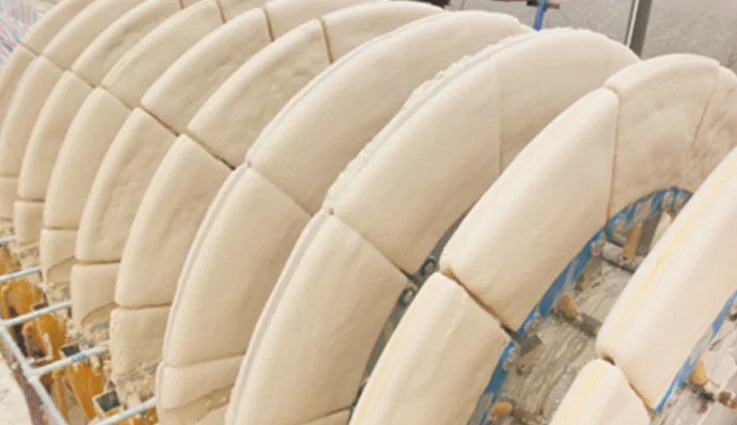
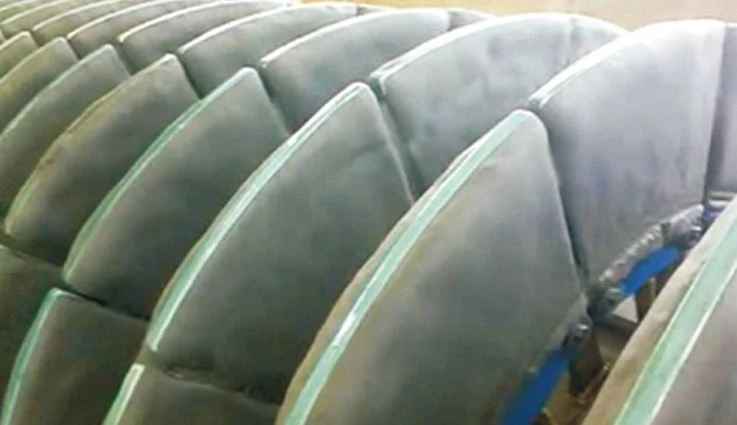
The ceramic plates provide a stable filtration surface with low air permeability, helping retain fine solids and produce relatively clear filtrate.
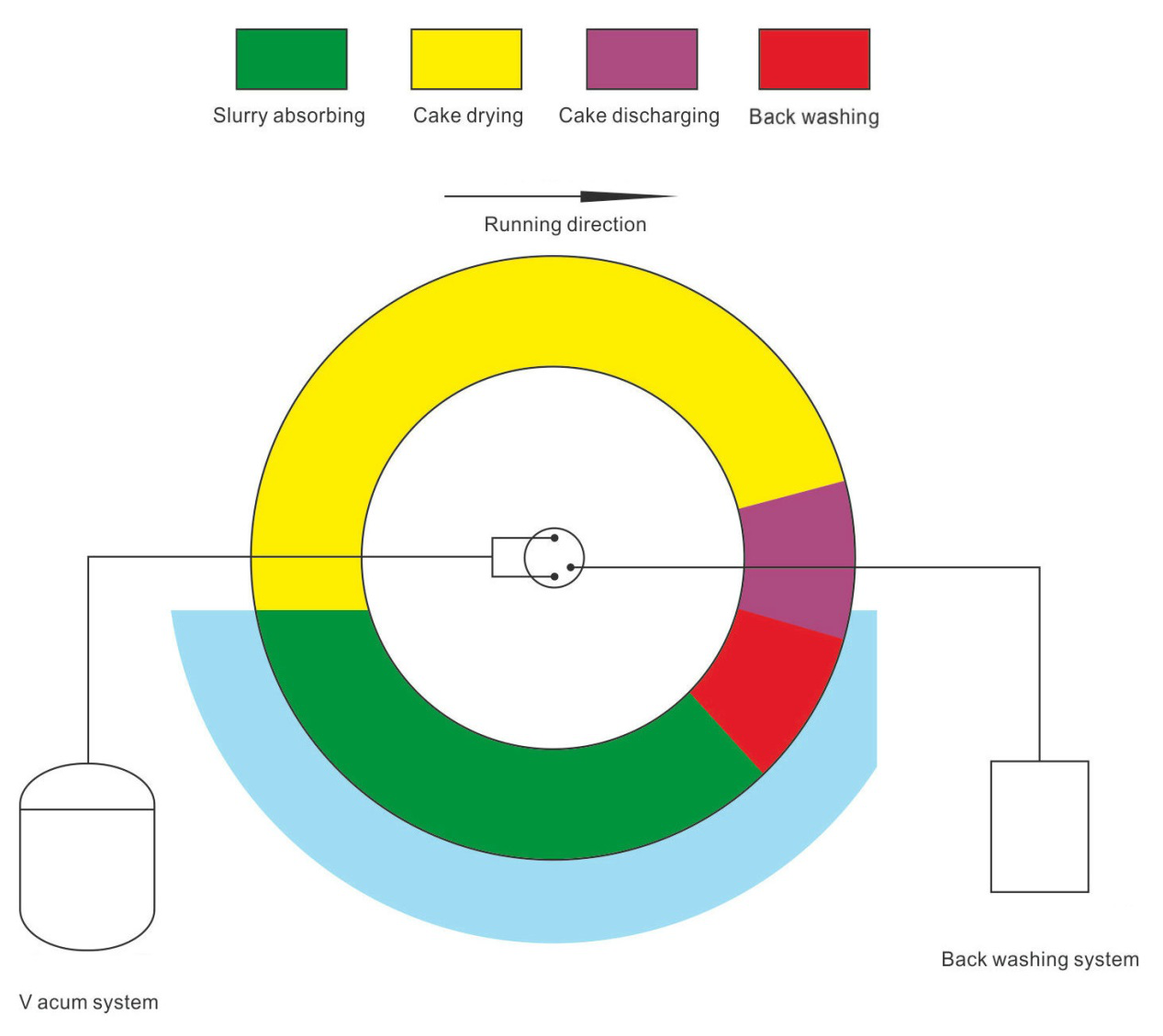
The discs rotate continuously through filtration, dewatering, cake discharge and cleaning, supporting stable and automated production.
The microporous ceramic structure helps reduce unnecessary air leakage and improve vacuum utilization under suitable operating conditions.
An automatic backwashing system helps remove particles from the ceramic pores and maintain filtration performance.
CF ceramic disc filters are available in filtration areas from 1 to 168 m² to meet different processing-capacity and installation requirements.
Slurry-contact components and auxiliary systems can be configured according to the material's abrasiveness, pH, temperature and corrosion characteristics.
What Affects Ceramic Disc Filter Performance?
Ceramic disc filter capacity and cake moisture cannot be determined by equipment size alone.
The following factors should be evaluated during selection.
| Factor | Effect on Filtration |
| Particle-size distribution | Ultrafine particles may reduce cake permeability and block ceramic pores more quickly |
| Feed solids concentration | Influences cake formation rate, cake thickness and equipment capacity |
| Slurry viscosity | High-viscosity slurry can slow liquid flow through the filter cake |
| Cake permeability | Determines how easily liquid can pass through the formed cake |
| Disc rotation speed | Controls filtration, drying, discharge and cleaning time |
| Ceramic plate cleanliness | Blocked pores reduce filtration capacity and may affect cake moisture |
| Agitation condition | Helps maintain consistent feed and limit solids settlement |
| Cleaning frequency | Affects long-term plate permeability and operating stability |
Ceramic Disc Filter Case Study: Copper Tailings Dewatering
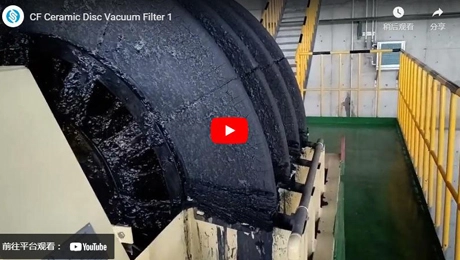
Highly viscous and ultrafine copper tailings can cause ceramic-pore blockage, unstable vacuum conditions, difficult cake discharge and a gradual decline in filtration capacity.
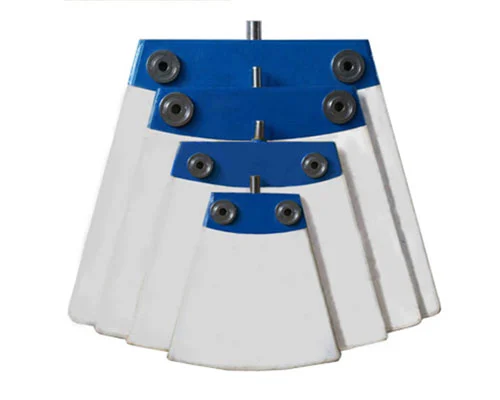
For this application, Hesheng developed a CF ceramic disc vacuum filter using sintered white fused alumina ceramic plates with a gradient pore-size surface. The design helps reduce fine-particle penetration while maintaining liquid permeability.
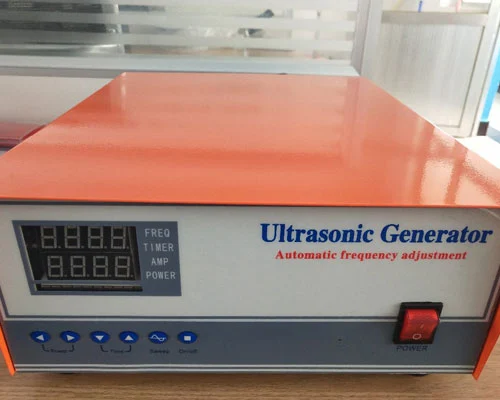
The equipment also uses high-pressure pneumatic backwashing and online ultrasonic cleaning to limit pore blockage and maintain filtration performance. Anti-crystallization vacuum piping and corrosion-resistant seals improve operating reliability in tailings containing sulfate and chloride ions.
This configuration is designed to provide more stable vacuum filtration, easier cake discharge and lower cleaning requirements when processing difficult copper-tailings slurry.
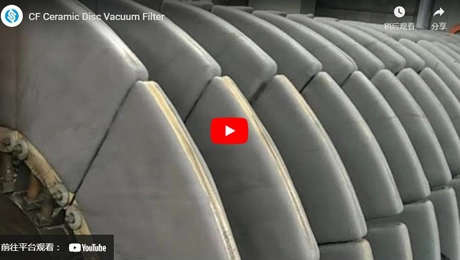
Watch the CF ceramic disc filter process highly viscous and ultrafine copper tailings.
Working Process of CF Ceramic Disc Vacuum Filter
Ceramic Disc Filter vs. Horizontal Vacuum Belt Filter
Both ceramic disc filters and horizontal vacuum belt filters are continuous solid-liquid separation systems, but they are designed for different slurry characteristics and process requirements.
| Comparison | Ceramic Disc Filter | Horizontal Vacuum Belt Filter |
| Filter medium | Microporous ceramic plates | Moving filter cloth |
| Typical applications | Mineral concentrates, tailings and selected fine-particle slurry | Mining, chemicals, FGD gypsum and materials requiring cake washing |
| Cake washing | Limited process flexibility | Suitable for single- or multi-stage cake washing |
| Installation | Compact structure | Requires a longer horizontal installation area |
| Main strength | Continuous dewatering and relatively clear filtrate | Flexible filtration, washing and dewatering zones |
| Selection basis | Slurry permeability, particle size and ceramic plate suitability | Cake washing, processing capacity and filtration-cycle requirements |
A ceramic disc filter is often suitable for mineral concentrates and selected fine-particle slurry where compact installation and continuous dewatering are important. A horizontal vacuum belt filter is generally preferred when the process requires controlled cake washing, flexible filtration zones or horizontal cake transport.
The final equipment choice should be based on slurry testing, required capacity, target cake moisture and process conditions.
For applications requiring multi-stage cake washing or a longer continuous filtration process, review the horizontal vacuum belt filter configuration.
Applications of CF Ceramic Disc Filters
CF ceramic disc filters are mainly used for continuous dewatering of mineral concentrates, tailings, fine-particle slurry, and selected industrial sludge. They are particularly suitable for applications that require stable cake formation, automatic discharge, and relatively clear filtrate.
Ceramic disc filters are widely used for iron, copper, lead, zinc, gold, and other mineral concentrates. Their continuous operating cycle helps support stable dewatering before storage, transportation, or downstream processing.
The CF series can be used to reduce water content in mineral tailings and recover process water. Actual performance depends on particle-size distribution, slurry concentration, viscosity, and cake permeability.
Selected coal slurry, phosphate, quartz, fluorite, and other non-metallic mineral materials may also be suitable for ceramic vacuum filtration. Material testing is recommended when the slurry contains a high proportion of ultrafine or sticky particles.
Ceramic disc filters can be applied to certain metallurgical residues, chemical slurry, and industrial sludge. For corrosive, high-temperature, or abrasive materials, the ceramic plates and slurry-contact components should be selected according to the actual operating conditions.
For ultrafine, highly viscous, or difficult-to-filter slurry, laboratory or pilot testing is recommended before final model selection.
Why Choose Hesheng as Your Ceramic Disc Filter Supplier?
Hesheng provides industrial solid-liquid separation equipment for mining, metallurgy, chemical processing and related applications.
For ceramic disc filtration projects, Hesheng can support customers with:
Equipment Selection
The equipment model and filtration area can be recommended based on actual slurry data and required process performance.
Customized Configuration
The ceramic plate arrangement, slurry-contact materials, control system and auxiliary equipment can be configured according to site and process requirements.
Material Evaluation
For difficult-to-filter slurry, material testing can help determine whether ceramic filtration is suitable before final equipment selection.
Manufacturing Quality Control
Equipment components should be inspected during material preparation, fabrication, assembly and final testing.
Installation and Commissioning Support
Installation drawings, operating guidance and commissioning support can be provided according to the project agreement.
Replacement Parts
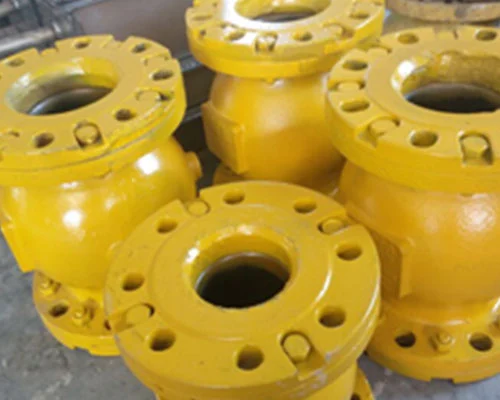
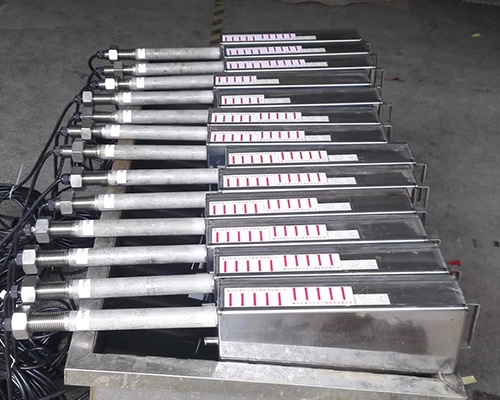
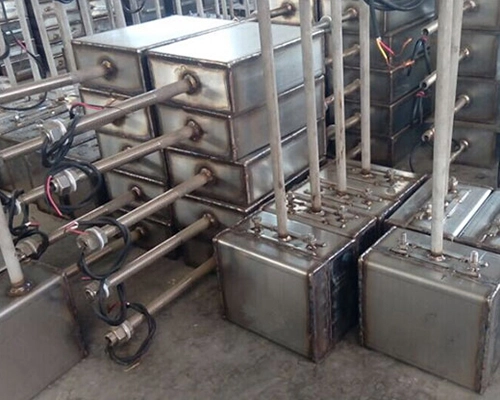
Replacement ceramic sectors, scrapers, seals, valves and other maintenance parts can be supplied according to the equipment model.
Technical Support
Hesheng can provide operating guidance and troubleshooting support for filtration performance, cake discharge, ceramic cleaning and vacuum-system operation.
 EN
EN
 ko
ko  fr
fr  de
de  es
es  it
it  ru
ru  pt
pt  ar
ar  fa
fa  Hesheng Filter


 Call us on:
  Email Us:
  No.255 Shenzhen North Road, Laixi City, Qingdao City, Shandong P.R, China